Bicycle Seat Suspension Link - ODM Customization & Development
| Product Type | Outdoor Bicycle Seat Suspension Linkage |
| Target Industry | Outdoor Sports |
| Core Process | Five-Axis CNC Precision Machining |
| Primary Materials | Aluminum 6061, Carbon Fiber |
| Development Model | Full-Process ODM Customization |
| Surface Treatment | Black Hard Anodizing + Selective Polishing |
| Why Choose Us | Exceptional cost-performance, micron-level machining capabilities, and proven ODM expertise |
| Final Outcome | Successfully achieved lightweight, high-strength, and high-precision assembly for long-term mass production |
Project Background
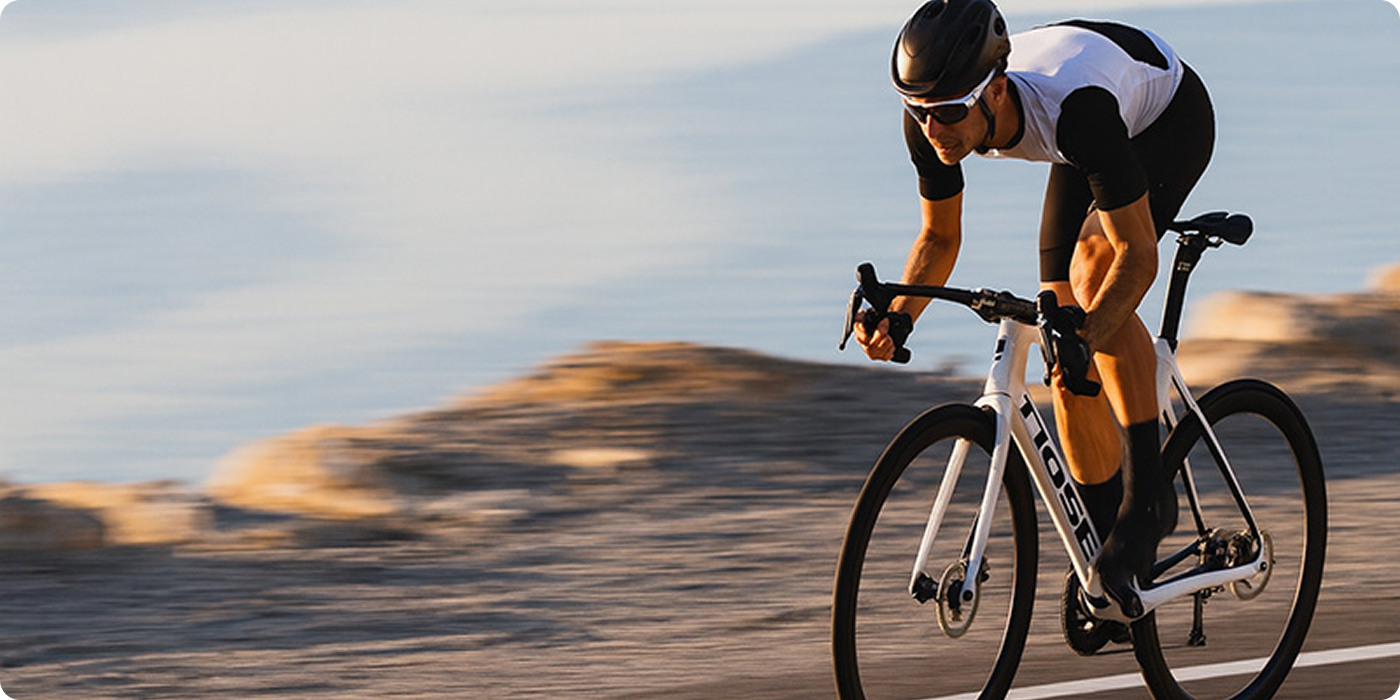
The client is a seasoned rider and product enthusiast. With years of experience riding on race tracks and mountain trails, he developed an acute sensitivity to the nuances of suspension systems. As a result, he demanded higher standards than the industry norm for the seat suspension link—extreme strength, micron-level assembly precision, and distinctive aesthetics—all to meet the handling needs of outdoor enthusiasts and professional riders navigating complex terrains.
While he had a clear vision of the riding experience he wanted, he lacked the capabilities to translate that experience into structural design and precision manufacturing. His previous suppliers failed to deliver feasible structural solutions aligned with his performance requirements, leaving the project repeatedly stuck in the design phase.
After several setbacks, he approached us, hoping to leverage Keywin’s ODM services to transform his sketches and concepts into a truly rideable, testable, and mass-producible seat suspension link.
Core Value of ODM Services: Full-chain Empowerment from Design to Mass Production
To translate clients' cycling requirements into quantifiable, manufacturable structural solutions, this project focused on balancing strength, precision, lightweight design, and aesthetics during the R&D phase. After thoroughly understanding usage scenarios and performance objectives, we formally initiated the ODM development process for the seat suspension linkage.
-

Product Design and Requirement Breakdown
To meet the client's performance demands under extreme riding conditions, we first deconstructed the operating environment and key performance metrics of the seat suspension linkage. Mountain bikes operate under high-frequency vibration and impact conditions, imposing stringent requirements on the linkage's ultimate strength, fatigue reliability, weight reduction targets, and assembly tolerances of ≤0.005 mm. These metrics provided clear direction for structural design and material selection.
-

Structural Design
Based on the defined performance requirements, the engineering team executed a comprehensive structural design process. Through kinematic analysis and stress simulation, we developed an innovative linkage structure featuring lightweight designs such as hollowed-out stiffeners and an integrated mounting base. This approach maintains high strength while effectively distributing stress and reducing fatigue risks. To meet strength and stability requirements, we selected high-strength 6061 aluminum alloy, aerospace-grade 7075 aluminum alloy, and carbon fiber for the primary structure during the design phase. Prior to machining, raw materials underwent composition and performance testing to ensure compliance with international standards like ISO and ASTM, establishing a reliable foundation for subsequent precision manufacturing.
-
Prototype Development and Validation
Following structural design confirmation, we initiated manufacturing of the first batch of prototypes. Utilizing five-axis CNC machining with ultra-fine-grain carbide tools, we processed 7075 aluminum alloy while strictly controlling critical mating surface tolerances to ±0.005 mm (CMM measured deviation ≤0.002 mm).
Following prototype completion, we conducted a two-stage validation process with the client: laboratory impact and fatigue testing, followed by long-distance riding tests on real mountain terrain by professional cyclists. Based on feedback, we refined local chamfers and assembly details, further optimizing manufacturability and stability for the production version.

-
Mass Production & Quality Control
During the mass production, we established a dedicated ODM production process covering the entire workflow,from material preprocessing, 5-axis CNC machining, and automated deburring to anodization, final inspection, and packaging. The production line is equipped with two Coordinate Measuring Machines (CMMs) for in-line sampling inspections (1 unit inspected per 20 produced), ensuring consistent key dimensions throughout mass production.
We adopted a tiered quality management system: FAI (First Article Inspection) → IPQC (In-Process Quality Control) → OQC (Outgoing Quality Control). This system enables full-process control over materials, dimensions, corrosion resistance, and other critical items. Ultimately, the mass production yield stabilized above 98%, meeting the client’s requirements for competitive-grade durability.
Final Achievements
The final delivered seat suspension link strikes an optimal balance between weight, strength, and micron-level precision, delivering consistent and reliable performance through multiple rounds of rigorous real-world bike testing. Customer feedback highlights smoother assembly, more responsive handling, and a seamless visual integration with the overall bike design.
This suspension link has been in continuous mass production at Keywin for over a decade. It has proven exceptional reliability in long-term market use and has become one of the core structural components in the client’s high-end bicycle lineup.
Customer Value and Feedback

"The 0.005 mm precision and structural performance of 6061 aluminum alloy have completely resolved the long-standing challenge of shock absorber compatibility in our high-end models—professional riders report 'zero play during adjustment and significantly superior handling compared to competitors.'
More importantly, Keywin's commitment and patience throughout the project far exceeded that of a typical supplier. From initial design to a rideable prototype took just 45 days, meeting our rapid validation timeline. During the 1–3 year ramp-up phase from small-batch testing to full production, Keywin consistently delivered high stability and technical support, accompanying us through multiple rounds of material validation, structural iterations, and process optimization."

R&D Director, Premium Bicycle Brand
ODM Service Case Summary
This case exemplifies Keywin's ODM capabilities for high-end bicycle structural components through precise material selection of 6061 aluminum alloy and micron-level machining control at ±0.005 mm. From requirement analysis, structural design, and prototype validation to process breakthroughs and mass production quality control, we delivered not only a seat suspension linkage that met performance standards with precision exceeding expectations, but also a reusable end-to-end solution spanning “concept to production.”
-

Picture name
-

Picture name
-

Picture name