5 Axis CNC Machining for Aerospace and Industrial Components
Jan.01, 1970
5 axis cnc machining is now one of the best choices for aerospace and industrial parts that need tight tolerance, complex geometry, and stable quality. For buyers, the main pain points are high scrap risk, long lead time, and weak repeatability. For engineers, the key question is how to make complex parts with fewer setups, better surface finish, and lower total cost. In this guide, Keywin explains how titanium machining, tight tolerance machining, and complex part manufacturing work together to solve these problems.
Aerospace and industrial customers often need parts with thin walls, deep cavities, angled holes, and curved surfaces. A 5 axis cnc machine can reach more sides of a part in one clamping, which helps reduce error from repositioning. This is important for parts such as brackets, housings, impellers, engine components, fixtures, and automation parts. The result is better consistency, shorter cycle time, and lower total production risk.
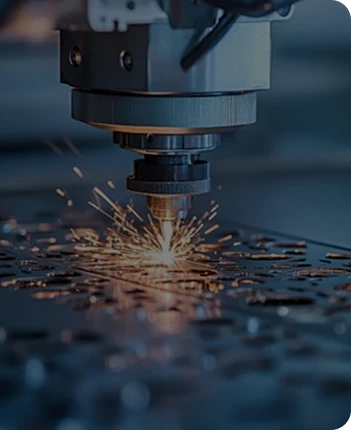
1. Why aerospace and industrial buyers choose 5 axis cnc machining
A 3 axis machine usually needs several setups to finish a part from different sides. Each setup adds time and increases the chance of alignment error. A 5 axis machine can tilt and rotate the tool or the part, so more faces can be machined in one process. For aerospace buyers, this is useful for parts with curved surfaces, blade shapes, and angled features.
1.1 Complex shapes need fewer setups
When a part is removed and re-clamped, small position changes can affect final size. In aerospace and precision industrial work, even a small error can create assembly problems. 5 axis cnc machining reduces this risk by keeping the part in a more stable position. That is why it is often used for components that require tight tolerance machining and better geometric control.
1.2 Better accuracy for critical parts
Many overseas buyers care about lead time more than anything else after price. Fewer setups mean less machine idle time, less manual handling, and shorter inspection loops. This helps Keywin support faster shipment for both prototype and mass production orders. In competitive supply chains, saving 20 percent to 40 percent in process time can make a major difference.
1.3 Shorter production time and faster delivery
2. What parts are best for 5 axis cnc machining
Aerospace components often need lightweight design, strong material performance, and strict quality control. Common parts include structural brackets, engine housings, turbine-related parts, connectors, mounts, and flow components. These parts often use aluminum, titanium, stainless steel, or nickel-based alloys. 5 axis cnc machining helps make these parts with complex angles and smooth surfaces.
2.1 Aerospace components
Industrial customers need durable parts for machines, robots, production lines, and test equipment. These parts include base plates, fixture bodies, precision frames, gear housings, manifolds, and sensor mounts. Many industrial parts have deep pockets, stepped surfaces, and threaded holes in different directions. A 5 axis cnc machine can complete these features more efficiently.
2.2 Industrial automation components
Prototype parts are often changed many times before final release. 5 axis cnc machining is ideal when the design is still moving and the customer needs quick samples. It can produce one-off parts with good accuracy and fast revision support. For overseas buyers, this reduces development delay and helps launch new products sooner.
2.3 High value custom prototypes
3. Material options and their machining challenges
Aluminum is one of the most common materials for aerospace and industrial components. It is light, easy to cut, and suitable for complex parts. It also supports good surface finish and high-speed machining. Keywin often uses aluminum for brackets, housings, and structural parts that need both strength and low weight.
3.1 Aluminum alloy
Titanium is strong, light, and corrosion resistant, but it is harder to machine than aluminum. It creates more heat and tool wear, so cutting strategy matters. 5 axis cnc machining helps control tool angle and chip flow better, which improves stability. This is a major reason why titanium machining is often linked to aerospace work.
3.2 Titanium
These materials are strong and durable, but they may cause cutting resistance and heat buildup. Industrial components made from these metals often need strong fixturing and careful tool selection. The advantage of 5 axis cnc machining is that it can shorten cutting distance and improve access to difficult surfaces.
3.3 Stainless steel and alloy steel
Some aerospace environments need high-temperature alloys like Inconel. These materials are used in hot zones and demanding service conditions. They are expensive and difficult to machine, so process control is very important. A stable 5 axis cnc process helps reduce chatter, protect tools, and improve part quality.
3.4 Inconel and other difficult metals
4. Main benefits for aerospace and industrial buyers
Consistency is one of the biggest goals in export manufacturing. Buyers want the first part and the thousandth part to match. By reducing manual repositioning, 5 axis cnc machining improves part-to-part repeatability. This is important for assemblies that must fit together without extra handwork.
4.1 Higher part consistency
5 axis tool paths can keep the cutting tool at a more optimal angle against the surface. This helps reduce marks and improve finish quality on curved or sloped areas. For aerospace parts, a better finish can also support airflow performance and reduce finishing work after machining.
4.2 Better surface finish
At first glance, 5 axis machining may seem more expensive than 3 axis machining. But total cost should include setups, scrap, inspection, rework, and delivery risk. When these are counted, 5 axis cnc machining often becomes the better value for complex part manufacturing. This is especially true for high-value parts where one defect can waste expensive material.
4.3 Lower total cost
Designers can create parts with more complex shapes when they know the shop has the right machine. This helps reduce unnecessary joins and separate components. In aerospace and industrial applications, fewer parts in an assembly can improve reliability and simplify procurement.
| Comparison Item | 3 Axis CNC | 5 Axis CNC |
|---|---|---|
| Number of setups | Multiple | Fewer, often one setup |
| Access to complex surfaces | Limited | High |
| Accuracy risk from repositioning | Higher | Lower |
| Best for | Simple parts | Complex aerospace and industrial components |
| Total process efficiency | Moderate | High |
4.4 More design freedom
5. How Keywin manages a 5 axis cnc machining project
To help overseas buyers understand the workflow, Keywin follows a clear process from drawing review to final shipment. This reduces confusion and keeps the project moving.
Step 1: Receive drawings or samples Step 2: Review material, tolerance, and quantity Step 3: Suggest process plan and DFM feedback Step 4: Confirm tooling and fixturing method Step 5: Program the 5 axis CNC machine Step 6: Machine the part and inspect key features Step 7: Perform surface treatment if needed Step 8: Final inspection and packing Step 9: Ship to the customer
5.1 Step-by-step process flow
Before cutting starts, the engineering team checks wall thickness, hole depth, tool access, and tolerance zones. This is very important for aerospace components because poor planning can cause deformation or tool collision. A short DFM review can prevent many expensive mistakes later.
5.2 Engineering review before production
Quality control should not wait until the end. Keywin uses in-process measurement to check critical dimensions during production. This helps catch drift early and reduces scrap. For complex part manufacturing, early inspection is one of the best ways to protect lead time.
5.3 In-process inspection
Final inspection usually covers dimensions, surface condition, burr control, and visual quality. For export orders, buyers often request reports, material certificates, or first article inspection documents. A reliable factory should be able to support these needs without delay.
5.4 Final quality control
6. Common buyer questions about aerospace and industrial cnc parts
Tolerance depends on material, size, geometry, and inspection method. Many precision parts can reach very tight limits when the design is stable and the process is controlled. For buyers, the key is not only the number on paper, but whether the shop can hold it on repeated batches. That is why process control matters as much as machine type.
6.1 What tolerance can be achieved?
Yes. It is often a strong choice for low volume, high complexity parts. Because it reduces setup steps, it can save time even when quantity is small. This makes it suitable for prototypes, pilot runs, and custom industrial parts.
6.2 Is 5 axis machining good for low volume orders?
Yes, if the factory has enough process control, material experience, and inspection ability. Aerospace jobs usually need tighter documentation and stricter traceability, while industrial jobs may focus more on cost and delivery speed. Keywin supports both with flexible production planning.
| Buyer Concern | Why It Matters | How 5 Axis CNC Helps |
|---|---|---|
| Lead time | Delays affect launch and inventory | Fewer setups and faster machining |
| Accuracy | Parts must fit and function correctly | Less repositioning error |
| Surface finish | Affects appearance and performance | Smoother tool access and cutting angle |
| Cost control | Total project budget must stay low | Less scrap and less manual labor |
| Complex geometry | Many parts need multi-angle features | Full access to difficult surfaces |
6.3 Can one factory handle both aerospace and industrial orders?
7. How to choose the right supplier for 5 axis cnc machining
Not every shop with a 5 axis machine can handle aerospace and industrial components well. Buyers should ask about machine travel, spindle speed, table type, and controller system. These details affect accuracy, rigidity, and the size of parts that can be made.
7.1 Check machine capability
Material experience is just as important as machine brand. A supplier that knows aluminum machining may not automatically be strong in titanium machining or alloy steel. Ask for examples of similar parts, especially when the design includes thin walls, deep pockets, or complex angles.
7.2 Check material experience
Good suppliers use calipers, micrometers, height gauges, CMM, and other inspection tools as needed. For export buyers, measurement reports help build trust. This is especially important for first order approval and repeat orders.
7.3 Check inspection methods
Fast replies, clear technical feedback, and simple communication reduce project risk. Many overseas buyers lose time because drawings are unclear or responses are too slow. Keywin focuses on practical DFM suggestions so customers can improve manufacturability before production starts.
7.4 Check communication and DFM support
8. Why 5 axis cnc machining is a strong fit for the future
As products become lighter, smaller, and more functional, part geometry becomes harder to machine with older methods. This trend supports stronger demand for 5 axis cnc machining in aerospace and industrial sectors. Buyers want fewer suppliers, better quality, and faster delivery in one package.
8.1 More industries need high complexity parts
Modern cnc workflows can reduce manual dependence and improve repeatability. This is useful for overseas customers who need predictable supply. With stable process design, a factory can support both prototype work and medium volume production.
8.2 Automation supports stable output
Foreign trade customers usually do not only buy one part. They want a partner that can support drawings, sampling, testing, and batch production over time. A supplier like Keywin, with experience in complex part manufacturing, can help reduce sourcing risk and improve supply chain stability.
8.3 Export buyers want reliable long-term partners
9. Summary: what overseas buyers should remember
5 axis cnc machining is one of the best methods for aerospace and industrial components that need complex geometry, fewer setups, and strong accuracy. It helps reduce error, improve finish, and shorten lead time. It is especially useful for aluminum, titanium, stainless steel, and other difficult metals. For buyers who want stable supply and clear communication, Keywin can support the full process from design review to final export packing.
If your project includes tight tolerance machining, titanium machining, or complex part manufacturing, choosing the right supplier is the first step to lower risk and better results. For many aerospace and industrial buyers, the combination of process control, inspection, and 5 axis capability is what makes production successful.
10. Frequently searched keywords related to this topic
5 axis cnc machining, aerospace cnc machining, industrial cnc components, precision cnc machining, titanium machining, tight tolerance machining, complex part manufacturing, multi axis machining, cnc milling for aerospace, custom cnc parts, high precision metal parts, export cnc supplier, prototype cnc machining, production machining, cnc machining services.