Applications of Plastic CNC Machining in Electronics and Medical Devices
Oct.23, 2026
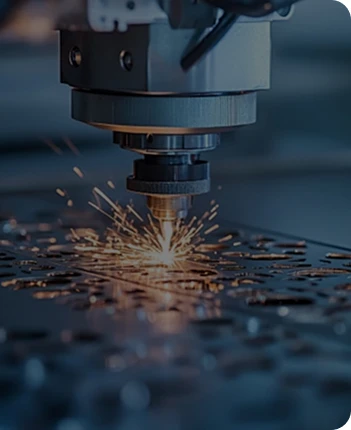
Plastic CNC machining is a fast and precise way to make parts for electronics and medical devices. It helps manufacturers create parts with tight tolerances, smooth surfaces, and repeatable quality. Many companies choose this method when they need parts made from engineering plastics, custom enclosures, or biocompatible components. It also supports rapid prototyping, low-volume production, and high-mix manufacturing. For brands like Keywin, this service helps solve the need for accurate, clean, and reliable plastic parts.
Introduction
In electronics, the process is used for housings, insulation parts, connectors, and test fixtures. In medical devices, it is used for surgical tool parts, diagnostic device components, and patient-specific prototypes. Because CNC milling and CNC turning can work with plastics like POM, PEEK, PTFE, PC, and PMMA, engineers can match the material to the job. This matters when product teams need dimensional accuracy, chemical resistance, or electrical insulation.
If you are trying to choose a manufacturing process, it can be hard to know whether injection molding, 3D printing, or plastic machining is the better fit. The answer depends on part complexity, order size, tolerance needs, and final use. This article explains where plastic CNC machining works best, why it matters, and how it supports both electronics and medical device manufacturing.
Summary Answer
Plastic CNC machining is widely used in electronics and medical devices because it produces precise, durable, and custom plastic parts with tight tolerances, stable dimensions, and reliable surface quality. It is a strong choice for prototypes, short production runs, and specialized components that need clean edges, fast turnaround, and material options such as PEEK, POM, PC, and PTFE.
1. Why Plastic CNC Machining Fits Electronics and Medical Devices
Dimensional accuracy for small parts
Electronics and medical devices often use small parts that must fit together without gaps. Plastic CNC machining can hold tight tolerances, often within 0.01 mm to 0.05 mm depending on the part, machine, and material. That level of control helps reduce assembly problems and part failure.
Stable performance for functional parts
Many plastic parts must do more than look good. They must insulate electricity, resist heat, or stay strong under repeated use. CNC machining supports engineering plastics that perform well in real products. These plastics are often chosen for their mechanical strength, low friction, and chemical resistance.
Clean machining for controlled industries
Medical and electronics markets need parts with consistent quality. CNC machining produces repeatable results and clean edges. This is useful for parts that must pass inspection, fit into sensitive systems, or support sterile workflows.
| Requirement | Electronics | Medical Devices |
|---|---|---|
| Tight tolerance | Connector and housing fit | Instrument and fixture fit |
| Material performance | Electrical insulation, heat resistance | Biocompatibility, chemical resistance |
| Surface quality | Smooth assembly and sealing | Easy cleaning and safe handling |
| Production need | Prototype and short run | Prototype, custom parts, and limited batches |
2. Common Applications in Electronics
Device housings and enclosures
Plastic CNC machining is often used to make enclosures for sensors, control units, and test devices. These parts protect the internal components from dust, contact, and vibration. They also help create a stable outer structure for product testing and final assembly.
Insulators and spacer components
Electrical systems often need non-conductive parts. CNC machined plastic insulators, spacers, and mounts help keep wires and circuit boards separated. Materials like POM, PTFE, and PC are often used when insulation and shape stability are important.
Connector parts and test fixtures
Connectors and testing tools need accurate dimensions. A small error can cause signal issues or poor contact. CNC machining makes it possible to produce fixture plates, positioning blocks, and connector bodies that support testing and production.
Lens holders and transparent covers
Some electronics need clear parts for display windows or optical protection. PMMA and polycarbonate are common choices. They can be machined into covers, windows, and lens mounts with controlled edge quality.
Heat-resistant parts for demanding devices
Devices that generate heat need plastics that can handle higher temperatures. PEEK is often used in advanced electronics because it performs well under heat and stress. This is helpful in systems where long-term stability matters.
Electronics long-tail keywords used naturally: custom plastic enclosures for electronics, CNC machined insulating parts, plastic prototypes for electronic devices, precision connector housings, transparent polycarbonate covers, low-volume electronics parts machining
3. Common Applications in Medical Devices
Surgical tool components
Medical tools need accurate shapes and stable dimensions. Plastic CNC machining can produce handles, guides, housings, and support parts for surgical equipment. These parts must be reliable because they are used in controlled clinical settings.
Diagnostic device parts
Diagnostic machines often need parts that resist chemicals, can be cleaned easily, and fit inside compact systems. CNC machining is used to make sample holders, instrument brackets, fluid channel parts, and device frames.
Patient-contact and non-implant parts
Some medical device parts may touch skin or be near the patient. In these cases, manufacturers often choose materials that support biocompatibility requirements. CNC machining is useful for covers, guides, and accessories that need safe and repeatable production.
Prototypes for medical product development
Medical teams often test several design versions before a product is released. Plastic CNC machining supports rapid prototyping, so engineers can test fit, function, and ergonomics before moving to larger production.
Laboratory and fluid-handling parts
Lab tools and fluid systems need parts with chemical resistance and good dimensional control. PTFE, PEEK, and acrylic are often used for brackets, valve parts, chambers, and housings.
Medical long-tail keywords used naturally: custom plastic parts for medical devices, biocompatible plastic machining, CNC machined medical prototypes, precision plastic components for diagnostics, medical-grade PEEK parts, plastic parts for laboratory equipment
4. Key Materials Used in Plastic CNC Machining
Material selection depends on the application
Choosing the right plastic matters as much as choosing the right process. The wrong material can lead to warping, poor fit, or early wear. Engineers usually choose material based on heat, strength, electrical needs, and chemical exposure.
| Material | Main Benefit | Typical Use |
|---|---|---|
| POM | Good stiffness and low friction | Gears, bushings, spacers |
| PEEK | High heat resistance and strength | Medical, aerospace, advanced electronics |
| PTFE | Chemical resistance and low friction | Seals, insulators, fluid parts |
| PC | Impact resistance and clarity | Covers, windows, protective parts |
| PMMA | High clarity | Display covers, optical parts |
| ABS | Balanced strength and cost | Housings, samples, general prototypes |
Why PEEK is often used in advanced projects
PEEK is one of the most popular engineering plastics for demanding jobs. It can handle high temperatures and strong mechanical loads. That makes it useful in medical and electronics parts where heat and long service life matter.
Why polycarbonate is common in visible parts
Polycarbonate offers good clarity and impact resistance. It is often used for device windows, covers, and protective shields. When transparency and toughness are both needed, PC is a practical option.
5. Plastic CNC Machining Compared with Other Manufacturing Methods
Comparison with injection molding
Injection molding is better for very high volume production. But it needs molds, and molds take time and money to make. Plastic CNC machining is better when the order size is small, the design may still change, or the part needs to be delivered fast.
Comparison with 3D printing
3D printing is useful for fast concept models and complex shapes. However, CNC machining usually gives better surface finish, stronger mechanical performance, and tighter dimensional control for many functional parts.
| Method | Best For | Main Strength | Main Limitation |
|---|---|---|---|
| Plastic CNC machining | Prototypes, custom parts, short runs | Accuracy and material choice | Higher unit cost in large volume |
| Injection molding | Large production runs | Low unit cost at scale | High mold cost and longer setup |
| 3D printing | Concept models and complex shapes | Fast iteration | Surface finish and strength limits |
6. Typical Workflow for Plastic CNC Machining
Step-by-step process flow
Plastic machining projects usually follow a simple process. Each step helps reduce errors and improve the final part quality.
Flow chart:
Design review -> Material selection -> CAM programming -> Machine setup -> CNC milling or turning -> Deburring and finishing -> Quality inspection -> Packing and delivery
1. Review the design
Engineers check the CAD file, dimensions, and tolerance needs. They also look for thin walls, sharp corners, and features that may be hard to machine.
2. Select the material
The team chooses the plastic based on use conditions. A medical prototype may need PEEK. A clear window may need PC or PMMA. A sliding part may need POM.
3. Program the machine
CAM software creates the tool path. This helps the machine cut the part accurately and efficiently. Tool speed and feed rate are set based on the plastic type.
4. Machine the part
The CNC machine cuts, drills, and shapes the plastic block or rod. For some jobs, CNC milling is used. For others, CNC turning is a better fit.
5. Finish and inspect
After machining, the part is cleaned, deburred, and checked. Inspection tools confirm that the part matches the drawing. If needed, the surface can be polished or marked.
7. Quality Control Factors That Matter Most
Tolerance control
Medical and electronic components often need strict size control. Even a small change can affect fit or function. Quality checks help make sure every part stays within the needed range.
Surface finish
A smooth surface can improve cleaning, assembly, and appearance. It can also reduce friction in moving parts. This is important for both device housings and internal parts.
Material traceability
Some industries need records of the plastic grade used in production. Traceability helps customers confirm that the material matches project requirements and quality rules.
Batch consistency
For short runs and repeat orders, the same part must come out the same way every time. CNC machining supports this by using the same program, tools, and inspection steps.
LSI keywords used naturally: engineering plastics, CNC milling, CNC turning, tight tolerances, surface finish, material traceability, dimensional accuracy, biocompatibility, electrical insulation, rapid prototyping
8. Why Companies Choose Keywin for Plastic Machining
Support for custom projects
Keywin helps customers with custom plastic machining for electronics and medical devices. This is useful when a project needs a special shape, a short delivery time, or a specific material grade.
Good fit for prototypes and production parts
Some customers need one prototype. Others need a small batch before mass production. Keywin supports both. This gives product teams more flexibility during development and launch.
Reliable quality control
For sensitive industries, the part must be correct the first time. Keywin focuses on accurate machining, careful inspection, and consistent results for functional plastic parts.
Conclusion
Plastic CNC machining plays an important role in electronics and medical devices. It delivers precise parts, good surface quality, and strong material choices for demanding applications. It also supports custom plastic enclosures, medical-grade prototypes, insulating parts, and other functional components. For companies that need accuracy and speed, plastic CNC machining is a practical solution. With the right process and the right partner like Keywin, teams can move from design to finished part with more confidence.
FAQ
What is plastic CNC machining used for?
Plastic CNC machining is used to make precise plastic parts for electronics, medical devices, lab tools, and custom industrial components. It is common for prototypes and short production runs.
Which plastics are best for electronic parts?
Common choices include POM, PC, PMMA, PTFE, and PEEK. The best plastic depends on the need for insulation, heat resistance, strength, or clarity.
Why is CNC machining useful for medical devices?
It offers tight tolerances, stable quality, and flexibility for custom parts. This is helpful for diagnostic tools, surgical components, and medical prototypes.
Is CNC machining better than 3D printing for plastic parts?
For many functional parts, yes. CNC machining often gives better strength, surface finish, and accuracy. 3D printing is better for very fast concept models or complex shapes.
Can Keywin support custom plastic machining projects?
Yes. Keywin supports custom plastic machining for electronics and medical devices, including prototype parts and low-volume production.
What is the main advantage of plastic machining in small batch production?
The main advantage is speed and flexibility. You do not need a mold, and the design can be adjusted more easily before full-scale production.