Parts Best Suited for 5-Axis CNC Machining
Aug.27, 2026
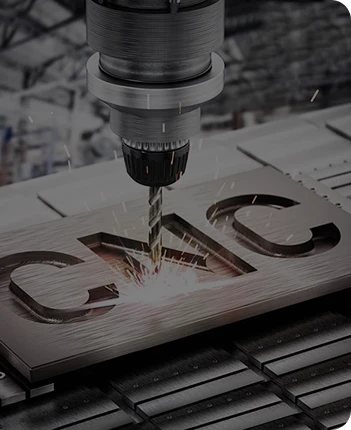
5-axis cnc machining services are a smart choice when a part is hard to reach, has complex geometry, or needs high precision in fewer setups. Many manufacturers face the same problem: a part looks simple on a drawing, but becomes slow and costly to machine with standard 3-axis equipment. This is where multi-axis machining, tight tolerance requirements, and surface finish control matter most. If you need better accuracy and shorter lead times, 5-axis machining can solve several production pain points at once.
Introduction
Keywin supports parts that need fewer tool changes, less manual repositioning, and better access to hidden surfaces. In many cases, this also reduces fixture complexity and helps maintain consistent dimensions across the full part. The result is often lower scrap, faster delivery, and stronger repeatability for advanced CNC milling jobs.
Summary Answer
Parts best suited for 5-axis CNC machining are complex parts with angled surfaces, deep cavities, curved shapes, tight tolerances, and features that are difficult to reach with 3-axis tools. These include aerospace components, medical parts, impellers, turbine blades, molds, dies, and precision prototypes. If the part needs fewer setups, better surface finish, and higher accuracy, 5-axis CNC machining services are usually the best option.
1. What Parts Are Best Suited for 5-Axis CNC Machining?
5-axis machining is best for parts that cannot be made efficiently with only up-and-down tool motion. The extra two rotation axes let the cutter approach the workpiece from more directions. That makes it easier to machine complex contours and hard-to-access areas.
Parts with complex geometry
Complex geometry is one of the strongest reasons to choose 5-axis CNC machining. If a part has freeform surfaces, undercuts, or blended curves, 5-axis motion can reduce errors and save time. This is common in automotive design parts, aerospace housings, and industrial equipment covers.
Parts with multiple angled faces
Parts with many angled holes, sloped walls, or rotated features often need several setups on a 3-axis machine. Each setup adds time and increases the chance of alignment errors. With 5-axis CNC machining, the part can often stay in one setup while the tool reaches different faces.
Parts that need high precision
When tolerances are tight, fewer setups usually mean fewer positioning errors. This matters for medical device parts, optical components, and aerospace brackets. 5-axis CNC machining services help keep dimensions stable across the part.
2. Common Parts Best Suited for 5-Axis CNC Machining
The table below shows the most common part types that benefit from 5-axis CNC machining.
| Part Type | Why 5-Axis Works Well | Typical Benefit |
|---|---|---|
| Aerospace components | Complex curves, deep pockets, angled features | Higher accuracy and fewer setups |
| Medical device parts | Tight tolerances and small details | Better consistency and smooth finish |
| Turbine blades | Thin walls and freeform surfaces | Improved tool access and surface quality |
| Impellers | Curved blades and internal channels | Reduced machining time |
| Molds and dies | Shallow angles, cavities, and polished surfaces | Less hand finishing |
| Robot parts and automation components | Multiple faces and custom brackets | Faster production and repeatability |
Aerospace parts
Aerospace parts are among the best fits for 5-axis CNC machining. Examples include structural brackets, engine parts, housings, and blade-like components. These parts often use aluminum alloy, titanium, or stainless steel. They must meet strict quality targets and often need complex machining paths.
Related long-tail keyword examples include aerospace CNC machining services, precision aerospace components, and high tolerance aircraft parts. These parts often require CNC milling, contour machining, and high-speed cutting to keep heat and vibration under control.
Medical device parts
Medical parts need clean surfaces, precise shapes, and stable dimensions. Many parts are small, thin, or curved. Examples include surgical tool parts, implant tools, and device housings. 5-axis CNC machining services help create these parts with fewer clamping changes and better repeatability.
LSI keywords used here include biocompatible materials, precision manufacturing, and surface finish. These terms matter because medical parts often need both accuracy and clean cutting results.
Impellers and turbine blades
Impellers and turbine blades have curved profiles that are difficult to machine from one direction. 5-axis machining allows the cutting tool to stay aligned with the surface. This improves tool contact and reduces the risk of poor finish or gouging.
For these parts, 5-axis CNC machining services can reduce cycle time and improve blade consistency. In many cases, 3-axis machining would need more special fixtures and more manual polishing after machining.
Molds and dies
Molds and dies often have deep cavities, draft angles, and polished surfaces. These are common in plastic injection molding and metal forming. 5-axis CNC machining helps shape these forms more efficiently. It also reduces the amount of hand work needed after cutting.
Long-tail keyword examples include custom mold machining, precision die manufacturing, and injection mold cavity machining. These are strong search terms for buyers who need both speed and quality.
Custom prototypes
Prototype parts often change during development. Engineers may need one-off parts with unusual shapes, small batches, or several design revisions. 5-axis CNC machining is useful because it can produce complex prototypes quickly without building special tooling.
This is especially helpful for product development, mechanical testing, and functional prototypes. Keywin can support prototype work when speed, fit, and design flexibility are important.
3. Why 5-Axis CNC Machining Is Better for These Parts
Fewer setups
One of the biggest advantages is fewer setups. A 3-axis job may require 3 to 6 repositionings for a complex part. Each repositioning adds labor and can create alignment errors. A 5-axis setup often reduces this to one or two setups.
Better tool access
The tool can tilt and rotate to reach surfaces that would be blocked on a standard machine. This is important for deep pockets, steep walls, and internal features. Better access often means smoother cutting and fewer leftover marks.
Improved surface finish
When the cutting tool stays closer to the ideal angle, the surface finish usually improves. This is valuable for parts that need less polishing or parts that must meet visual quality standards. Surface finish is often a key reason buyers choose 5-axis CNC machining services.
Shorter lead time
Fewer setups and fewer secondary operations usually mean shorter lead time. This can help when production schedules are tight. It also helps reduce cost in low-volume and medium-volume projects.
4. 5-Axis vs 3-Axis CNC Machining Comparison
The table below shows where 5-axis machining has clear advantages over 3-axis machining.
| Factor | 3-Axis CNC Machining | 5-Axis CNC Machining |
|---|---|---|
| Part complexity | Best for simple to medium shapes | Best for complex geometry |
| Number of setups | Often multiple setups | Often one setup |
| Tool access | Limited to three directions | Access from many angles |
| Surface finish | Good on simple surfaces | Better on curved and angled surfaces |
| Accuracy on complex parts | Lower due to re-clamping risk | Higher due to fewer repositionings |
| Best use case | Simple brackets, plates, blocks | Aerospace, medical, mold, and impeller parts |
5. Materials That Work Well with 5-Axis CNC Machining
5-axis CNC machining services can process many materials. The right choice depends on strength, weight, heat resistance, and cost.
Aluminum
Aluminum is a common choice for aerospace, robotics, and prototype parts. It is easy to machine and offers a good balance of strength and weight. Many precision CNC machining projects use aluminum because it cuts cleanly and helps keep lead times short.
Stainless steel
Stainless steel is strong and corrosion-resistant. It is used in medical, food, and industrial parts. Because it can be harder to machine, 5-axis control helps keep cutting stable and reduces unnecessary repositioning.
Titanium
Titanium is often used in aerospace and medical applications. It is strong, light, and resistant to corrosion. It also generates more heat during machining. 5-axis machining can improve efficiency by reducing tool engagement problems.
Engineering plastics
Materials such as PEEK, Delrin, and nylon are also common. These are used in lightweight fixtures, test parts, and medical components. 5-axis machining helps maintain shape control when the part has thin walls or detailed features.
6. Step-by-Step Flow for Choosing 5-Axis CNC Machining
Use the flow below to decide whether your part is a good match for 5-axis CNC machining.
| Step 1: Review the part drawing | v Step 2: Check for complex geometry, angled faces, or undercuts |
|---|
| v Step 3: Count how many setups a 3-axis machine would need | v Step 4: Check tolerance and surface finish requirements |
|---|
| v Step 5: Review material, part size, and production quantity | v Step 6: Compare cost, lead time, and quality targets |
|---|
v Step 7: Choose 5-axis CNC machining services if fewer setups and better access are needed
Practical decision rule
If a part needs more than two setups on a 3-axis machine, it is often a strong candidate for 5-axis machining. If the part also has tight tolerance requirements or curved surfaces, 5-axis becomes even more valuable.
7. Industries That Often Need 5-Axis CNC Machining Services
Aerospace
Aircraft parts often need low weight, high strength, and exact dimensions. 5-axis CNC machining services are commonly used for brackets, housings, engine components, and test parts.
Medical
Medical manufacturers need repeatable quality and clean surfaces. Parts such as surgical tools, implant tools, and precision device bodies benefit from 5-axis CNC machining.
Automotive
Automotive companies use 5-axis machining for performance parts, custom housings, and prototype components. It helps during design testing and short-run production.
Energy and industrial equipment
These industries use parts with complex shapes and demanding load conditions. Turbine components, pump parts, and valve bodies are often better suited to 5-axis CNC machining.
8. How Keywin Supports 5-Axis CNC Machining Projects
Keywin helps customers choose the right manufacturing path for complex parts. When the design needs better tool access, fewer clamping steps, or tighter accuracy, Keywin can guide the process from review to final production.
Keywin also supports custom CNC machining, precision machining, and production machining for different industries. This includes small batches, prototype orders, and repeat production runs. By using 5-axis CNC machining services when needed, Keywin helps reduce risk and improve part quality.
Conclusion
Parts best suited for 5-axis CNC machining are the ones with complex geometry, angled features, deep cavities, curved surfaces, and tight tolerances. These parts benefit from fewer setups, better tool access, and improved surface finish. For aerospace components, medical device parts, impellers, molds, dies, and precision prototypes, 5-axis CNC machining services can save time and improve accuracy. If your part is difficult to machine with standard methods, 5-axis machining is often the best choice.
FAQ
What is the main advantage of 5-axis CNC machining?
The main advantage is that the tool can approach the part from more angles. This reduces setups, improves accuracy, and helps machine complex shapes more efficiently.
Which parts should not use 5-axis CNC machining?
Simple flat parts, blocks, and basic brackets usually do not need 5-axis machining. A 3-axis machine is often enough for those parts and may cost less.
Is 5-axis CNC machining more expensive?
It can cost more per hour, but it may lower total cost for complex parts. Fewer setups, less manual work, and shorter lead time can offset the machine rate.
What industries use 5-axis CNC machining services the most?
Aerospace, medical, automotive, mold making, and industrial equipment are the most common industries. They often need precision machining and complex geometry.
Can 5-axis CNC machining improve surface finish?
Yes. The tool can stay at a better angle to the surface, which can improve finish and reduce extra polishing work.
How do I know if my part is a good match for 5-axis machining?
If your part has many angles, curved surfaces, deep pockets, or tight tolerances, it is likely a good match. A design review can confirm whether 5-axis CNC machining services are the right option.