What Plastics Can Be Used for CNC Machining
Nov.06, 2026
When people ask What Plastics Can Be Used for CNC Machining, the simple answer is: many engineering plastics can be cut, milled, drilled, and turned into high-precision parts with excellent repeatability. In practical terms, CNC machining turns plastic stock into functional components such as housings, insulators, brackets, gears, jigs, and medical or automotive prototypes. For businesses, this matters because a reliable plastic machining service can shorten lead times, improve dimensional stability, and reduce tooling risk—especially when you need precision to 0.01mm, fast turnaround, and consistent batch quality.
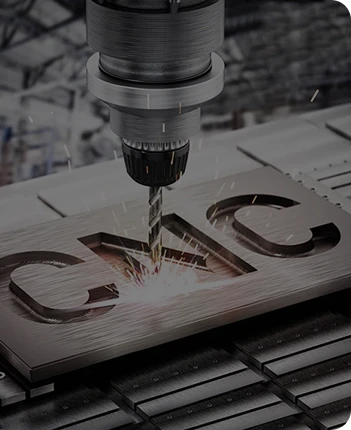
CNC plastic machining has become a core manufacturing method because plastics are lightweight, corrosion-resistant, and easy to process with subtractive machining. In many industries, What Plastics Can Be Used for CNC Machining is not just a material question—it is a performance question. The right polymer affects heat resistance, chemical compatibility, machinability, and end-use life.
At Keywin, the goal is to match the resin to the application, not just to “make the part.” That is why engineers often select materials based on tolerance requirements, load conditions, friction behavior, and certification needs such as ASTM, DIN, or ISO test methods.
A professional plastic machining service typically evaluates:
- Dimensional stability
- Heat deflection temperature
- Moisture absorption
- Surface finish requirements
- Chemical resistance
- Wear and fatigue performance
What Plastics Can Be Used for CNC Machining in Modern Manufacturing
Why Businesses Choose CNC Machining for Plastics
Before injection molding becomes economical, CNC machining is often the fastest route for low-volume production, prototypes, and complex geometries. It also supports design changes without new molds, which is valuable when engineering teams are still validating fit and function.
Compared with molding, CNC offers:
- No tooling lead time
- Fast design iteration
- Tight tolerance control
- Excellent material flexibility
- High-quality surface finishing
In real-world production, a qualified plastic machining service can deliver parts with 100% inspection on critical dimensions, plus documentation for lot traceability and material verification. For B2B buyers, that means lower project risk and better supply-chain control.
Common Plastics Used for CNC Machining
If you are evaluating What Plastics Can Be Used for CNC Machining, the following materials are the most widely used in industry.
1. ABS
ABS is one of the most common machinable plastics because it is tough, economical, and easy to process.
Best for:
- Prototypes
- Enclosures
- Consumer product parts
- Low-load structural components
Why it works:
- Good impact resistance
- Stable machining behavior
- Easy to bond and finish
Limitations:
- Lower heat resistance than engineering-grade polymers
- Not ideal for harsh chemical environments
2. POM / Delrin / Acetal
POM is a top choice when you need low friction and good dimensional stability.
Best for:
- Gears
- Bushings
- Bearings
- Precision fixtures
Why it works:
- Excellent wear resistance
- Low moisture absorption
- Good machinability
Common clarification: Many buyers think POM is “just another plastic,” but in CNC applications it is often selected because it holds tolerance better than softer thermoplastics.
3. Nylon / PA6 / PA66
Nylon is strong and wear-resistant, but it absorbs moisture, which affects dimensional accuracy.
Best for:
- Mechanical components
- Wear parts
- Structural prototypes
- Sliding elements
Why it works:
- High toughness
- Good abrasion resistance
- Suitable for dynamic loads
Caution: For tight tolerance work, a seasoned plastic machining service must account for humidity-related expansion and conditioning behavior.
4. PTFE
PTFE is known for extremely low friction and excellent chemical resistance.
Best for:
- Seals
- Valves
- Chemical handling components
- Non-stick industrial parts
Why it works:
- Outstanding chemical inertness
- Very low coefficient of friction
Limitation: PTFE is soft and can creep under load, so it is not ideal for rigid load-bearing structures.
5. PEEK
PEEK is one of the highest-performance machinable plastics in the market.
Best for:
- Aerospace parts
- Medical components
- Semiconductor fixtures
- High-temperature applications
Why it works:
- High heat resistance
- Excellent mechanical strength
- Strong chemical resistance
Industry note: When customers ask What Plastics Can Be Used for CNC Machining for high-value applications, PEEK is often the answer—but only when the budget and performance requirements justify it.
6. PMMA / Acrylic
PMMA offers excellent optical clarity and a clean surface finish.
Best for:
- Display parts
- Light guides
- Transparent housings
- Visual models
Why it works:
- Good transparency
- Excellent aesthetics
- Easy polishing
Risk: Acrylic can chip if machining parameters are too aggressive, so tool selection and feed rates matter.
7. PC / Polycarbonate
Polycarbonate combines toughness with transparency.
Best for:
- Protective covers
- Guards
- Optical enclosures
- Impact-resistant parts
Why it works:
- High impact strength
- Good clarity
- Versatile use across industries
8. HDPE and UHMWPE
These are common in wear and food-contact applications.
Best for:
- Guides
- Wear strips
- Cutting boards
- Fluid handling components
Why it works:
- Good chemical resistance
- Low friction
- Cost-effective in many applications
Material Selection Table for CNC Plastic Parts
| Plastic Material | Key Strengths | Typical Applications | Machining Notes |
|---|---|---|---|
| ABS | Tough, economical | Prototypes, housings | Stable and easy to machine |
| POM / Delrin | Low friction, stable | Gears, bushings | Excellent tolerance retention |
| Nylon | Strong, wear-resistant | Load-bearing parts | Moisture absorption must be managed |
| PTFE | Chemical resistance, low friction | Seals, valves | Soft, prone to creep |
| PEEK | High temp, high strength | Aerospace, medical | Premium material, precise process control needed |
| PMMA | Optical clarity | Transparent covers | Chip control is critical |
| PC | Impact resistance | Guards, enclosures | Good toughness with clarity |
| HDPE / UHMWPE | Wear resistance, low friction | Guides, sliding parts | Heat buildup must be controlled |
How to Choose the Right Plastic for CNC Machining
The most effective way to answer What Plastics Can Be Used for CNC Machining is to start from the application requirements, not from the material list.
A practical selection process includes:
-
Define operating temperature
- Will the part see 60°C, 120°C, or 250°C?
-
Check mechanical load
- Is it a decorative panel or a structural component?
-
Evaluate chemical exposure
- Oils, solvents, acids, or sterilization agents?
-
Set tolerance targets
- Is ±0.05mm enough, or do you require precision to 0.01mm?
-
Consider friction and wear
- Is the part moving, sliding, or rotating?
-
Review compliance requirements
- ASTM, DIN, RoHS, or industry-specific documentation?
This is where a professional plastic machining service adds value. At Keywin, engineers often recommend material alternatives when the original selection would create instability, stress cracking, or poor surface quality.
Common Misconceptions About CNC Machined Plastics
Many procurement teams and product developers make the same mistakes when asking What Plastics Can Be Used for CNC Machining.
Misconception 1: All plastics machine the same
They do not. Some plastics produce long stringy chips, some chip easily, and some are highly sensitive to heat. Tool geometry, spindle speed, and coolant strategy must be adjusted accordingly.
Misconception 2: Cheaper plastic always saves money
Not always. A low-cost resin can cause warpage, rework, or shorter service life. In many projects, choosing POM or PEEK reduces downstream failure cost.
Misconception 3: CNC plastic parts do not need inspection
That is incorrect. Precision plastic parts often require 100% inspection on critical features, especially for medical, aerospace, and automation applications.
Misconception 4: Plastics are only for prototypes
In reality, many CNC-machined plastic parts are used in end-use production, particularly in low-volume or high-mix industries.
Practical Applications Across Industries
The real value of What Plastics Can Be Used for CNC Machining becomes clear when looking at actual use cases.
Medical
- Surgical device components
- Diagnostic housings
- Sterilizable fixtures
Medical buyers often require traceability, clean processing, and documented conformance to relevant standards.
Aerospace
- Lightweight brackets
- Insulating parts
- Interior fixtures
Here, PEEK and high-performance polymers are often selected for thermal stability and weight reduction.
Electronics
- Insulators
- Test fixtures
- Connector housings
CNC machined plastics help reduce electrical conductivity risks while maintaining tight tolerances.
Automotive
- Fluid handling parts
- Sensor housings
- Wear components
Nylon, POM, and PC are frequently used where durability and cost balance matter.
Industrial automation
- Jigs
- Guides
- Custom fixtures
For rapid development lines, a dependable plastic machining service like Keywin can support fast revisions and repeatable production.
Example: How the Right Material Improves Project Outcomes
A client needed a precision gear housing for an automation system. The initial concept used ABS, but testing showed deformation under sustained load. After reviewing the requirements, the engineering team switched to POM.
Results:
- Dimensional deviation improved to within 0.01mm on key interfaces
- Wear resistance increased
- Assembly time dropped because the mating fit stabilized
- Final parts passed in-process and final 100% inspection
This is a typical example of why What Plastics Can Be Used for CNC Machining should be answered with performance data, not assumptions.
Quality Control Standards That Matter
A trustworthy plastic machining service should not only machine parts, but also verify them against recognized standards and internal controls.
Common quality practices include:
- Incoming material certification
- First article inspection
- In-process dimensional control
- Final 100% inspection
- Surface finish verification
- Material testing aligned with ASTM or DIN methods
At Keywin, quality communication is structured around clear specifications, fast feedback, and production accountability, including 24-hour response support for technical questions.
Why Keywin Is a Strong Choice for CNC Plastic Machining
When buyers search What Plastics Can Be Used for CNC Machining, they usually need more than a material list—they need a manufacturing partner.
Keywin supports:
- Engineering material selection
- CNC milling, turning, and finishing
- Tight tolerance plastic components
- Prototype to low-volume production
- Export-ready documentation
- Consistent quality control
For customers needing a dependable plastic machining service, this combination helps reduce risk from the quote stage to final delivery.
Final Takeaway
In summary, What Plastics Can Be Used for CNC Machining depends on the part’s function, environment, and precision requirements. Common machinable plastics include ABS, POM, nylon, PTFE, PEEK, PMMA, PC, and HDPE/UHMWPE, each with distinct strengths and limitations. The best results come from matching the resin to the application, applying the correct machining parameters, and verifying quality with standards such as ASTM and DIN.
If you are planning a new project and need a reliable plastic machining service, Keywin can help you choose the right material, control dimensional accuracy, and support fast delivery with professional inspection and technical support.
Explore the right material early, and your plastic CNC parts will perform better, last longer, and cost less across the full product lifecycle.