Factors Affecting CNC Drilling Accuracy and Surface Quality
Jan.01, 1970
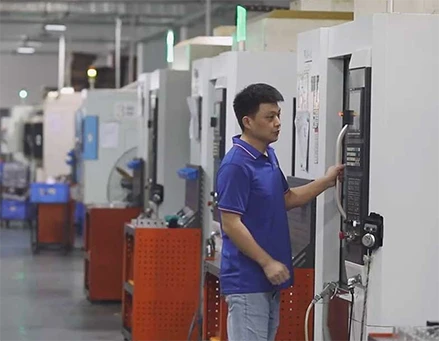
CNC Drilling Service is widely used when parts need accurate hole sizes and a clean finish. Many buyers want to know why one job comes out perfect while another has burrs, chatter marks, or wrong hole positions. The answer usually depends on tool wear, spindle speed, feed rate, workpiece material, and machine rigidity. In real production, drilling accuracy also changes with coolant flow, fixture setup, and chip removal. If you understand these factors, you can improve hole quality and reduce scrap.
Introduction
Summary Answer
The main factors affecting CNC drilling accuracy and surface quality are machine precision, tool condition, cutting parameters, workpiece material, fixture stability, coolant use, and operator setup. If these factors are controlled well, the drilled hole will have better size consistency, better roundness, smoother walls, and fewer burrs. If they are not controlled, the result is usually hole deviation, poor surface finish, heat damage, and faster tool wear.
Main Factors Affecting CNC Drilling Accuracy and Surface Quality
-
1. Machine Tool Accuracy and Spindle Condition
The CNC machine itself is the base of drilling accuracy. If the spindle has runout, the drill bit will not rotate in a perfect circle. This can cause oversized holes, oval holes, and rough inner walls. A machine with poor linear guide accuracy can also shift the drilling position.
Key points:
- Spindle runout should be kept very low. In many precision jobs, even 0.01 mm can matter.
- Backlash in axes can reduce hole position accuracy.
- Old machines often show more vibration and less repeatability.
For high-precision parts, regular machine calibration is necessary. This is important for CNC precision drilling, CNC hole making, and custom CNC drilling parts.
-
2. Drill Bit Material, Geometry, and Wear
The drill bit has a direct effect on cutting quality. A dull drill creates more heat and pushes material instead of cutting it cleanly. This increases burrs and makes the hole wall look rough.
Drill Factor Effect on Accuracy Effect on Surface Quality Sharp cutting edge Better hole size control Smoother wall finish Worn cutting edge More deviation and oversize holes More burrs and roughness Wrong point angle Poor centering Uneven entry marks Bad flute design Poor chip evacuation Heat marks and scratches CNC drill bits for aluminum, stainless steel drilling, and high-speed steel drill tools should be selected based on the material and hole depth. Carbide drills are often used when higher speed and longer tool life are needed.
-
3. Cutting Speed, Feed Rate, and Drilling Depth
Cutting parameters decide how the tool removes material. If the spindle speed is too high, heat rises fast. If the feed rate is too low, the drill may rub instead of cut. Both problems can reduce accuracy and surface finish.
Common parameter effects:
- High speed with low feed can cause burning and tool wear.
- High feed can increase vibration and hole roughness.
- Deep hole drilling needs better chip removal and more stable cutting.
For deep hole CNC drilling, Peck drilling is often used. This method lifts the drill out of the hole at set intervals. It helps remove chips and lowers heat buildup. It also improves hole quality in materials such as steel, titanium, and thick aluminum plates.
-
4. Workpiece Material and Hardness
Different materials behave in different ways during drilling. Aluminum cuts easier, but it can create built-up edge if the tool is not sharp. Stainless steel drilling needs more force and better cooling. Harder materials can increase tool wear and reduce hole roundness.
Material Drilling Difficulty Common Surface Issue Aluminum Low to medium Built-up edge, chip sticking Mild steel Medium Burrs, heat marks Stainless steel High Work hardening, tool wear Titanium Very high Heat buildup, poor chip flow For CNC machining services, matching the drill type to the material is one of the most important steps. This is true for precision metal drilling, prototype CNC drilling, and mass production CNC parts.
-
5. Fixture Stability and Workpiece Clamping
If the part moves during drilling, the hole position will be wrong. A weak fixture can also create vibration. This makes the hole wall uneven and can leave chatter marks on the surface.
Important fixture rules:
- Clamp the workpiece tightly but without distortion.
- Support thin parts to prevent bending.
- Keep the clamping area away from the drilling zone when possible.
Good fixturing is especially important in custom CNC parts, multi-hole plates, and batch CNC drilling services. Keywin uses stable setup methods to help maintain repeatable hole quality.
-
6. Coolant, Lubrication, and Chip Evacuation
Heat is one of the biggest enemies of drilling quality. Coolant lowers temperature and helps remove chips from the cutting zone. If chips stay inside the hole, they may scratch the surface or jam the drill.
Process flow for better chip control:
Start -> Set correct coolant flow -> Choose chip-friendly drill geometry -> Use peck drilling for deep holes -> Check chip output during machining -> Clean the hole after drilling -> Inspect finish and size EndIn aluminum drilling and steel hole machining, flood coolant or oil-based lubrication can help reduce friction. For dry cutting, tool choice and chip evacuation become even more important.
-
7. Hole Depth, Diameter, and Aspect Ratio
Deep holes are harder to drill than shallow holes. As hole depth increases, chip evacuation becomes more difficult. The drill also becomes more likely to bend slightly, which can reduce accuracy.
Large-diameter holes may need more power and stronger chip removal. Small-diameter holes are more sensitive to tool deflection. A high aspect ratio, where depth is much greater than diameter, often needs special tools and careful parameter control.
This is why long-hole CNC drilling and micro hole drilling services need stricter process control than standard shallow-hole work.
-
8. Entry and Exit Conditions
Hole quality is often worse at the start and end of drilling. At entry, the drill may wander if centering is poor. At exit, the material may tear and form burrs.
Ways to improve entry and exit quality:
- Use a center drill or spotting drill before the main drill.
- Reduce feed near breakthrough.
- Support the back side of the part when possible.
These methods help improve clean hole entry, reduce exit burrs, and support better CNC surface finish.
-
9. Programming, Setup, and Operator Skill
Even a good machine can make poor holes if the program is wrong. Incorrect coordinates, wrong tool offsets, and bad drilling cycles can all hurt results. Operator skill matters because small setup mistakes can cause large quality problems.
Common programming issues:
- Wrong Z-depth setting
- Incorrect feed per revolution
- Missing dwell time for chip break
- Poor tool path order for multi-hole parts
Experienced CNC drilling manufacturers use verification steps before production. This reduces scrap and improves repeatability for CNC prototype drilling and production drilling services.
Step-by-Step Process to Improve CNC Drilling Quality
- Review the drawing and tolerance requirements.
- Select the correct drill bit for the material and hole size.
- Check machine calibration and spindle runout.
- Set the workpiece in a stable fixture.
- Choose proper speed, feed, and drilling depth.
- Apply coolant or lubrication correctly.
- Use peck drilling for deep holes when needed.
- Inspect hole size, roundness, burrs, and surface finish.
Comparison Table: Main Causes and Results
| Factor | Possible Accuracy Problem | Possible Surface Problem | Best Control Method |
|---|---|---|---|
| Machine condition | Hole position error | Vibration marks | Regular calibration |
| Tool wear | Oversize holes | Rough wall finish | Tool inspection and replacement |
| Wrong feed/speed | Hole deviation | Heat damage | Use tested cutting data |
| Poor clamping | Shifted hole location | Chatter marks | Strong fixture design |
| Bad chip removal | Drill wander | Scratches and burrs | Coolant and peck drilling |
Practical Tips for Better CNC Drilling Service Results
If you want better results from a CNC drilling service, start with the basics. Use a sharp tool. Keep the machine in good condition. Match the cutting data to the material. Support the part well. Clean chips fast. These simple steps can improve hole tolerance, reduce burr removal work, and lower total cost.
For buyers, it is also smart to ask the supplier about drilling capability, tolerance range, surface roughness control, and material experience. A good supplier should be able to handle aluminum CNC drilling, stainless steel precision holes, deep hole drilling, and mass production drilling with stable quality.
Keywin focuses on stable process control, repeatable setup, and customer-specific drilling solutions. This helps support high-accuracy CNC machining projects and custom drilled metal parts.
Conclusion
CNC drilling accuracy and surface quality depend on many connected factors. The machine, tool, material, fixture, coolant, and program all affect the final hole result. When these points are controlled well, the drilling process becomes more stable, the surface becomes smoother, and the hole size stays closer to the drawing. For any CNC drilling service project, paying attention to these details is the best way to get reliable and clean results.
FAQ
What is the biggest factor affecting CNC drilling accuracy?
The biggest factor is usually the machine and tool condition. If the spindle has runout or the drill is worn, hole accuracy can drop fast.
Why do drilled holes have burrs?
Burrs often come from wrong feed rate, dull tools, poor support at the exit side, or bad chip removal.
How can I improve surface finish in CNC drilling?
Use a sharp drill, stable clamping, proper coolant, and correct speed and feed values. Peck drilling can also help for deep holes.
Does material type affect hole quality?
Yes. Aluminum, steel, stainless steel, and titanium all drill differently. Each material needs different cutting data and tool choice.
When should peck drilling be used?
Peck drilling is best for deep holes or materials that make chips hard to remove. It helps reduce heat and improve hole quality.
Why choose a professional CNC drilling service?
A professional CNC drilling service can control tolerances, reduce scrap, and deliver better surface quality through proper machines, tools, and process setup.