Low Volume and Mass Production CNC Machining for Automotive Parts
Aug.24, 2026
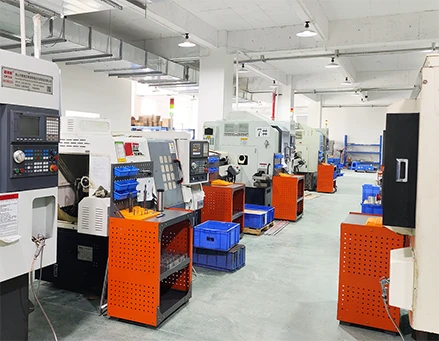
Low volume and mass production CNC machining for automotive parts helps car makers build parts with the right cost, speed, and quality.
When a team needs a few test parts first, and then thousands of finished parts later, the process must stay stable. That is where precision machining, tight tolerances, and repeatable quality matter most. Many buyers also need fast prototype development before they move into full production.
Introduction
In automotive work, a small mistake can stop an assembly line or raise the scrap rate. This is why companies compare machining options, material choices, and production capacity before they place an order. Keywin supports this process with stable CNC manufacturing for both short runs and high-volume orders.
If you are trying to reduce lead time, control cost, and keep part quality consistent, the answer starts with choosing the right production method. The rest of this article explains how low volume and mass production CNC machining works, when each one is best, and how to plan for success.
Summary Answer
Low volume and mass production CNC machining for automotive parts is the process of making small batches or large batches of vehicle parts with CNC machines that cut metal or plastic with high accuracy. It is best when you need repeatable dimensions, strong quality control, and a smooth path from prototype to full-scale production.
Low volume runs help test fit, function, and design before spending on large tooling. Mass production helps lower unit cost when demand is stable and the design is final. The right choice depends on volume, tolerance, material, timeline, and total cost per part.
1. What Low Volume and Mass Production Mean in CNC Machining
Low volume CNC machining usually means making a small number of parts, often from 1 to 500 units. Mass production means making hundreds, thousands, or even more parts with the same setup and quality target.
Small Batch Production
Small batch production is common for prototype parts, pilot builds, custom components, and early vehicle testing. It allows engineers to check size, surface finish, and assembly fit before moving forward.
This approach is useful for parts such as brackets, housings, fixtures, and special mounts. It is also a smart choice when the design may still change.
High Volume Production
High volume CNC production is used when the design is stable and the order size is large. The goal is to reduce cycle time, improve process control, and lower cost per unit.
Common parts include engine components, transmission parts, suspension connectors, and interior metal fittings. With the right automation and tooling, output can stay consistent over long runs.
| Production Type | Typical Quantity | Main Goal | Best For |
|---|---|---|---|
| Low Volume | 1 to 500 | Flexibility and testing | Prototype and pilot parts |
| Mass Production | 500 and above | Lower cost per part | Stable automotive demand |
2. Why Automotive Parts Need CNC Machining
Automotive parts must meet strict size rules. A hole location, edge shape, or thickness error can affect how a part fits into a vehicle system. CNC machining gives a high level of control for these details.
Tight Tolerances Matter
Many automotive parts need tolerances within +/-0.01 mm to +/-0.05 mm, depending on the design and material. This helps parts fit together without extra adjustment.
Strong Surface Quality
Surface finish affects wear, sealing, and appearance. CNC milling, CNC turning, drilling, and finishing can help produce a clean surface that supports the final application.
Material Flexibility
CNC machining works with aluminum, stainless steel, carbon steel, brass, and engineering plastics. This makes it useful for many vehicle parts, from structural pieces to lightweight components.
3. Key Benefits of Low Volume CNC Machining for Automotive Parts
-
Faster testing
Prototype and Pilot Builds
Low volume machining lets teams test real parts before mass production. This reduces design risk and helps find problems early.
-
Lower startup risk
Better for Design Changes
If the design is not final, low volume production avoids large losses. A new drawing can be tested without a big tool investment.
-
More flexible planning
Ideal for Custom Orders
Some automotive customers need special parts for racing, fleet repair, or limited vehicle models. Low volume CNC machining is a good fit.
-
Better quality checking
Simple Inspection Control
When the order size is small, it is easier to inspect each part. This can improve confidence before moving to a larger order.
4. Key Benefits of Mass Production CNC Machining
-
Lower unit cost
Cost Drops as Volume Rises
When a part is made many times, setup cost is spread across more units. This lowers the cost per part.
-
Stable repeatability
Same Part, Same Result
Automated CNC systems help produce parts with the same size and shape over long runs. This supports assembly line needs.
-
Shorter lead time for repeat orders
Saved Programs and Fixtures
Once the process is ready, repeat orders can move faster because toolpaths, fixtures, and inspection plans are already set.
-
Better production efficiency
Automation and Pallet Systems
For large runs, automation can reduce idle time. This improves machine use and supports 24-hour production plans.
5. Low Volume vs Mass Production: Side-by-Side Comparison
| Factor | Low Volume CNC Machining | Mass Production CNC Machining |
|---|---|---|
| Order Size | Small batches | Large batches |
| Tooling Cost | Lower startup cost | Higher initial planning, lower unit cost |
| Design Changes | Easy to adjust | Harder to change after release |
| Lead Time | Fast for prototypes | Efficient after setup |
| Best Use | Prototype, test, custom parts | Stable automotive production |
6. Common Automotive Parts Made with CNC Machining
CNC machining is used for many vehicle components. The right method depends on part function, material, and volume.
Engine and Powertrain Parts
Examples include housings, covers, brackets, and mounting parts. These parts often need good heat resistance and stable dimensions.
Transmission Parts
Transmission components need accurate hole positions and clean mating surfaces. CNC machining supports these demands well.
Suspension and Chassis Parts
These parts must handle load and vibration. Metal strength and repeatable machining are critical.
Interior and Custom Parts
Trim parts, control mounts, and special brackets can also be made by CNC machining. These parts may need a clean surface and exact fit.
7. Step-by-Step Flow for CNC Automotive Production
Step 1: Review the part drawing and application -> Check size, material, tolerance, and quantity
Step 2: Select the right process -> Choose milling, turning, drilling, or multi-axis machining
Step 3: Create the CNC program -> Build toolpaths, speeds, feeds, and fixture plan
Step 4: Make first article samples -> Inspect the first parts and confirm the dimensions
Step 5: Adjust if needed -> Refine the process before full release
Step 6: Start production -> Run the approved batch with quality checks
Step 7: Inspect and ship -> Confirm final quality and package parts for delivery
8. How to Choose the Right CNC Production Plan
The best production plan depends on the part and the business goal. A good supplier should help you choose based on data, not guesswork.
1. Check the Quantity Need
If you need 10 to 200 parts, low volume CNC machining is often the smarter choice. If you need 5,000 parts with the same design, mass production is usually better.
2. Check the Tolerance Requirement
Very tight tolerance parts may need more inspection and more stable fixtures. This is important for safety-related automotive components.
3. Check the Material
Aluminum is often chosen for light weight and fast machining. Stainless steel is used for strength and corrosion resistance. Plastic is used when weight and cost matter more.
4. Check the Total Cost
Total cost is not only the part price. It also includes setup, inspection, scrap risk, and delivery time.
9. Why Keywin Is a Strong Choice for Automotive CNC Machining
Keywin supports both low volume and mass production CNC machining for automotive parts. The team can help with material selection, process planning, and quality control.
This is useful for companies that need prototype machining, pilot runs, and stable batch production from one supplier. It also helps reduce communication problems and shortens the path from sample to delivery.
10. Quality Control in cnc mass production
Quality control is one of the most important parts of CNC mass production. A small defect can grow into a large problem when thousands of parts are made.
Inspection Tools
Common tools include calipers, micrometers, height gauges, CMM systems, and surface testers. These tools help confirm size and shape.
Process Control
Stable fixture design, tool wear tracking, and regular checks help keep production on target. This reduces scrap and rework.
Data Tracking
Recording inspection data helps find patterns. If a tool wears out after a fixed number of parts, the schedule can be adjusted before defects appear.
Conclusion
Low volume and mass production CNC machining for automotive parts gives manufacturers a flexible way to move from testing to full output. It supports tight tolerances, repeatable quality, and efficient production planning.
For new designs, low volume runs help reduce risk and confirm fit. For stable designs, mass production lowers cost and supports large orders. If you need a partner that understands both sides of the process, Keywin can help deliver reliable automotive CNC machining from sample to scale.
FAQ
What is low volume CNC machining for automotive parts?
It is the production of a small number of automotive parts with CNC machines. It is often used for prototypes, pilot runs, and custom parts.
What is mass production CNC machining?
It is the large-scale production of the same part using CNC machines. The goal is to lower unit cost and keep the part quality stable.
Which materials are common in automotive CNC machining?
Aluminum, stainless steel, carbon steel, brass, and engineering plastics are common choices. The best material depends on strength, weight, cost, and use.
How do I know if I need low volume or mass production?
If your design is still changing, low volume is usually better. If your design is final and your demand is stable, mass production is usually the better choice.
Can CNC machining meet automotive tolerance needs?
Yes. CNC machining is often used for tight tolerance parts because it offers high accuracy and repeatability.
Why is Keywin a good partner for automotive CNC machining?
Keywin supports both small batch production and large batch production. This makes it easier to move from prototype to full production with one supplier.