When to Use CNC Drilling for Machined Parts?
Jan.01, 1970
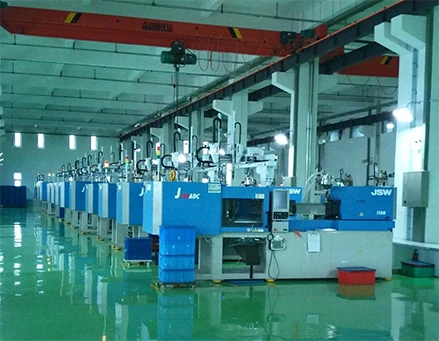
CNC Drilling Service is a smart choice when you need fast, accurate holes in machined parts. It helps make parts with the same size, depth, and position every time. For many factories, this process is better than manual drilling because it saves time and lowers error rates. If your project needs tight tolerances, repeatable hole patterns, or high-volume production, CNC drilling can solve the problem. In many cases, it also works well with milling, tapping, and reaming to finish a part in one setup.
Introduction
Many buyers ask when CNC drilling is the right method for their parts. The answer depends on the material, hole depth, tolerance, and production size. It also depends on whether you need a prototype, a small batch, or a full production run. Keywin helps customers choose the right process for each machined part and each budget. This guide explains the best use cases in simple terms so you can make a better decision.
Summary Answer
Use CNC drilling for machined parts when you need accurate holes, repeatable results, fast cycle times, and stable quality in metals or plastics. It is the best option for parts with many holes, tight hole position requirements, deep hole drilling needs, or medium to high production volumes. If the hole must match a drawing exactly, CNC drilling is usually the right choice.
1. When the Part Needs Accurate Hole Location
Why precision matters
CNC drilling is ideal when the hole position must stay close to the design. In many parts, even a 0.1 mm shift can cause assembly problems. This is common in brackets, housings, jigs, and machine frames. CNC machines use programmed coordinates, so the drill lands in the same place every time.
Common applications
- Connector plates with matched bolt patterns
- Motor housings with bearing holes
- Fixture plates with grid hole layouts
- Aluminum panels with aligned mounting holes
2. When You Need Repeatability for Production Runs
Best for same parts made many times
If you need 50, 500, or 5,000 parts with the same hole pattern, CNC drilling is a strong option. Manual drilling can vary from one operator to another. CNC drilling keeps the hole size and hole depth more stable across the full batch. This makes quality checks easier and reduces scrap.
Data-driven advantage
| Method | Hole Position Repeatability | Best Use |
|---|---|---|
| Manual drilling | Lower | Small jobs, simple parts |
| CNC drilling | High | Production parts, close tolerances |
3. When the Design Has Many Holes
Faster than doing each hole by hand
Some machined parts need 10, 20, or even 100 holes. CNC drilling can complete these patterns quickly because the machine follows a program. This is useful for plates, electronic enclosures, heat sinks, and structural parts. It also lowers labor time and helps keep each hole consistent.
Typical long-tail use cases
- CNC drilling for aluminum enclosure panels
- Precision hole drilling for steel mounting plates
- Custom hole pattern drilling for industrial fixtures
- High-volume drilling service for mechanical components
4. When Tight Tolerances Are Required
Match drawing requirements
Some projects need very close tolerances. This is common in aerospace parts, medical components, automotive brackets, and automation equipment. CNC drilling can hold the hole size more consistently than hand drilling. It can also work with reaming or tapping after drilling to reach the final requirement.
Comparison table
| Requirement | CNC Drilling | Manual Drilling |
|---|---|---|
| Tight hole position | Better | Less stable |
| Same result across batches | Better | Depends on operator |
| Complex hole layout | Better | Harder to control |
5. When You Need Deep Hole Drilling or Special Hole Types
Useful for advanced part designs
Some parts need deep holes, angled holes, countersinks, counterbores, or tapped holes. CNC drilling can handle these jobs with the right tool and program. For example, a deep hole in a shaft part needs controlled feed rate and stable cutting. A CNC setup can manage this better than a hand tool.
Examples
- Deep hole drilling for shafts and cylinders
- Countersunk holes for fasteners
- Counterbored holes for screw heads
- Tapped holes for threaded assembly
6. When Material Control Is Important
Works with metals and plastics
CNC drilling can process aluminum, stainless steel, carbon steel, brass, copper, and engineering plastics. Different materials need different spindle speed, feed rate, and drill bit type. This control helps reduce burrs, heat, and tool wear. It also supports better surface finish around the hole.
Material suitability table
| Material | CNC Drilling Result | Key Note |
|---|---|---|
| Aluminum | Excellent | Fast cutting, clean hole edges |
| Stainless steel | Good | Needs proper tool and cooling |
| Plastic | Good | Needs heat control |
| Brass | Excellent | Easy to machine |
7. When Cost and Lead Time Matter
Lower cost in repeat jobs
CNC drilling can reduce total cost when the same part is made many times. The setup cost may be higher at first, but the cost per part can drop as volume increases. It also shortens cycle time. That means faster delivery for prototypes and production orders. For businesses that need on-time parts, this is a major advantage.
Simple process flow
- Review drawing and hole requirements
- Select material and drill tool
- Program hole coordinates in CNC machine
- Clamp the workpiece securely
- Run drilling cycle and check first part
- Inspect hole size, depth, and position
- Continue batch production
8. When CNC Drilling Should Be Combined With Other Processes
Better results in one setup
Many machined parts are not finished by drilling alone. They may also need milling, tapping, deburring, or reaming. Combining these steps in one CNC setup improves alignment and reduces handling. It is also helpful for complex parts with both flat surfaces and hole features.
Process combination table
| Process | Purpose | Benefit |
|---|---|---|
| Drilling | Create holes | Fast and accurate hole making |
| Reaming | Improve hole size accuracy | Tighter tolerance |
| Tapping | Add threads | Ready for screws |
| Deburring | Remove sharp edges | Safer and cleaner finish |
9. When to Choose CNC Drilling Over Other Methods
Quick decision guide
CNC drilling is the better choice when your part has many holes, needs close tolerance, or must be made in batches. It is also better when the design is complex and the parts must match exactly. If you only need one simple hole in a soft material, manual drilling may be enough. But for most precision machined parts, CNC drilling gives better control.
Comparison chart
| Situation | Best Choice |
|---|---|
| Single simple hole | Manual drilling may be enough |
| Many holes on one part | CNC drilling |
| Tight tolerance assembly part | CNC drilling |
| High-volume production | CNC drilling |
10. Key Factors to Check Before Ordering CNC Drilling Service
What to confirm in your drawing
Before placing an order, check hole diameter, depth, tolerance, quantity, material, and surface finish needs. You should also confirm if the part needs threaded holes or special hole shapes. Clear drawings reduce mistakes and help the supplier quote faster.
Ordering checklist
- Hole diameter and tolerance
- Hole depth and through-hole or blind-hole type
- Material type and thickness
- Quantity and delivery time
- Need for tapping, countersinking, or reaming
11. Why Keywin CNC Drilling Service Helps
Practical support for real parts
Keywin provides CNC drilling service for custom machined parts with a focus on accuracy, repeatability, and stable delivery. The team can support prototype parts, small batches, and larger production orders. This is useful for buyers who want fewer process risks and better part consistency. Keywin also helps review drawings before production so the machining plan fits the part requirements.
Best-fit industries
- Industrial equipment
- Automation systems
- Electronics enclosures
- Automotive components
- Medical device parts
Conclusion
CNC drilling is the right choice when machined parts need accurate holes, repeatable quality, and efficient production. It works well for metal and plastic parts, complex hole patterns, and projects with tight tolerance requirements. It also helps reduce labor time and improve batch consistency. If you need dependable CNC drilling service for custom machined parts, Keywin can help you choose the best process and deliver parts that match your drawing.
FAQ
What is CNC drilling used for?
CNC drilling is used to make accurate holes in machined parts. It is common in metal plates, housings, brackets, and industrial components.
Is CNC drilling better than manual drilling?
Yes, when you need better repeatability, more accurate hole locations, or large quantities. Manual drilling is better for very simple one-off jobs.
Can CNC drilling handle deep holes?
Yes. With the right tool, speed, and feed settings, CNC drilling can make deep holes and other special hole types.
What materials can be drilled by CNC?
CNC drilling can work on aluminum, stainless steel, carbon steel, brass, copper, and many plastics.
When should I choose CNC drilling service for my part?
Choose CNC drilling service when your part needs many holes, close tolerance, stable quality, or production efficiency.