

Forging
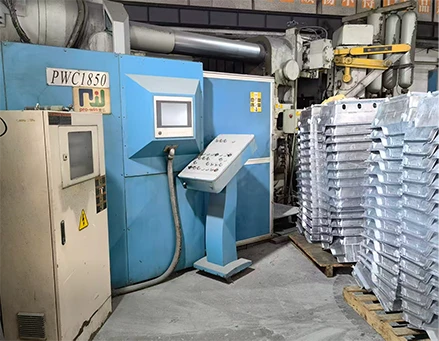
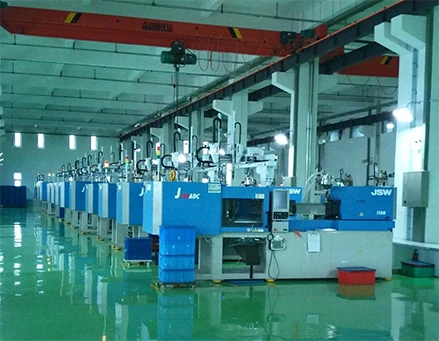
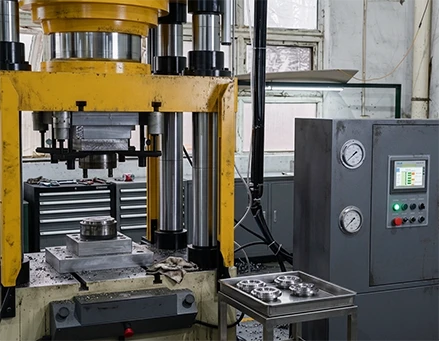
Forging shapes metal by applying compressive force to a heated billet, refining its grain structure as it deforms into the desired shape. Depending on part geometry and production volume, closed-die or open-die forging can be applied to efficiently produce everything from high-volume standardized parts to large custom components, offering superior strength, fatigue resistance, and structural integrity compared to casting or machining from bar stock. We support both closed-die and open-die forging to meet the production demands of high-strength, high-reliability parts.
-
![]()
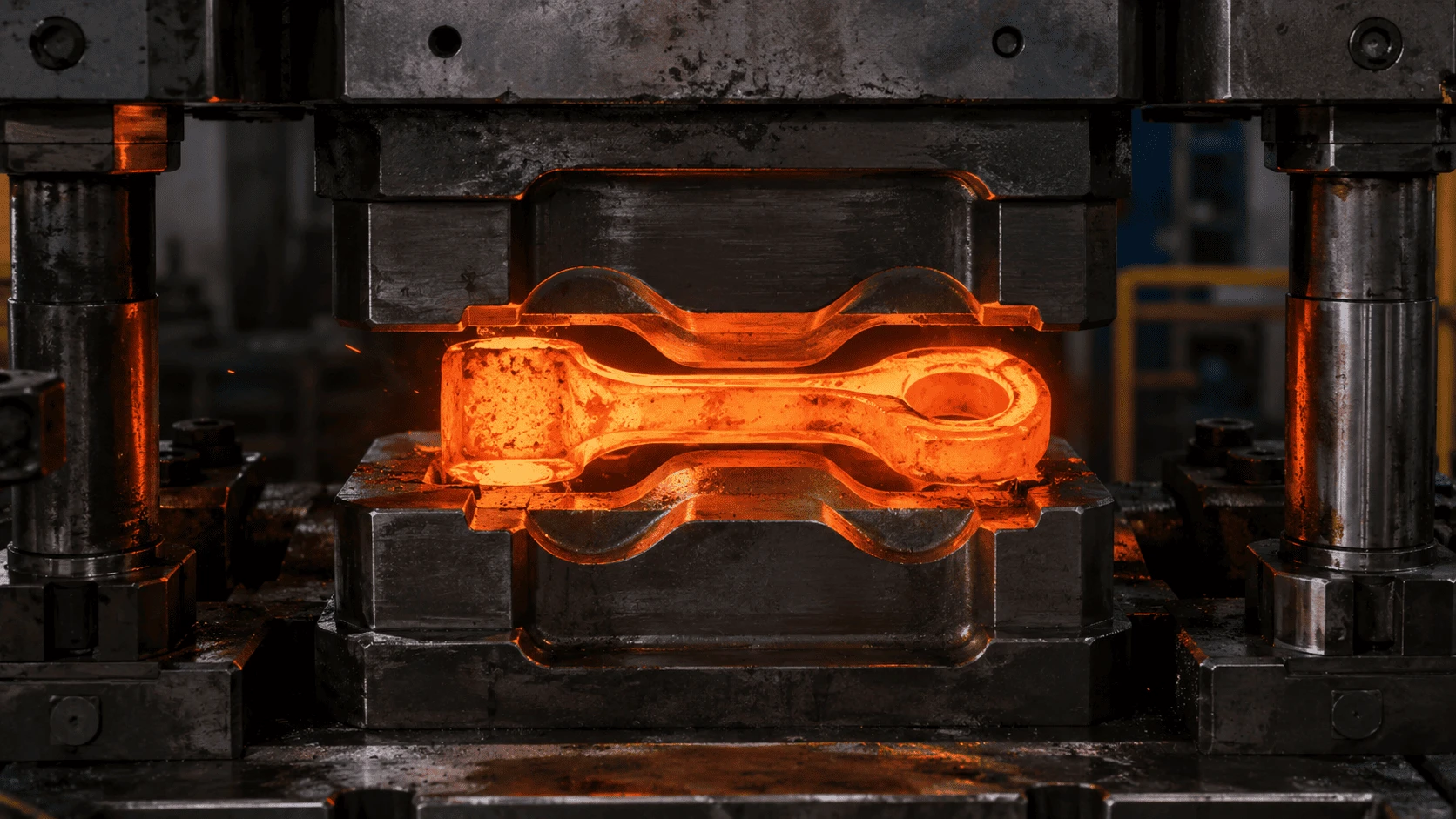
Closed-Die Forging
Metal is shaped within a matched die cavity under high pressure, representing the most efficient method for high-volume, consistent geometry.
Suitable for standardized parts, automotive components, and high-volume production runs.
Achieves dimensional accuracy up to ±0.3 mm with excellent repeatability.
-
![]()
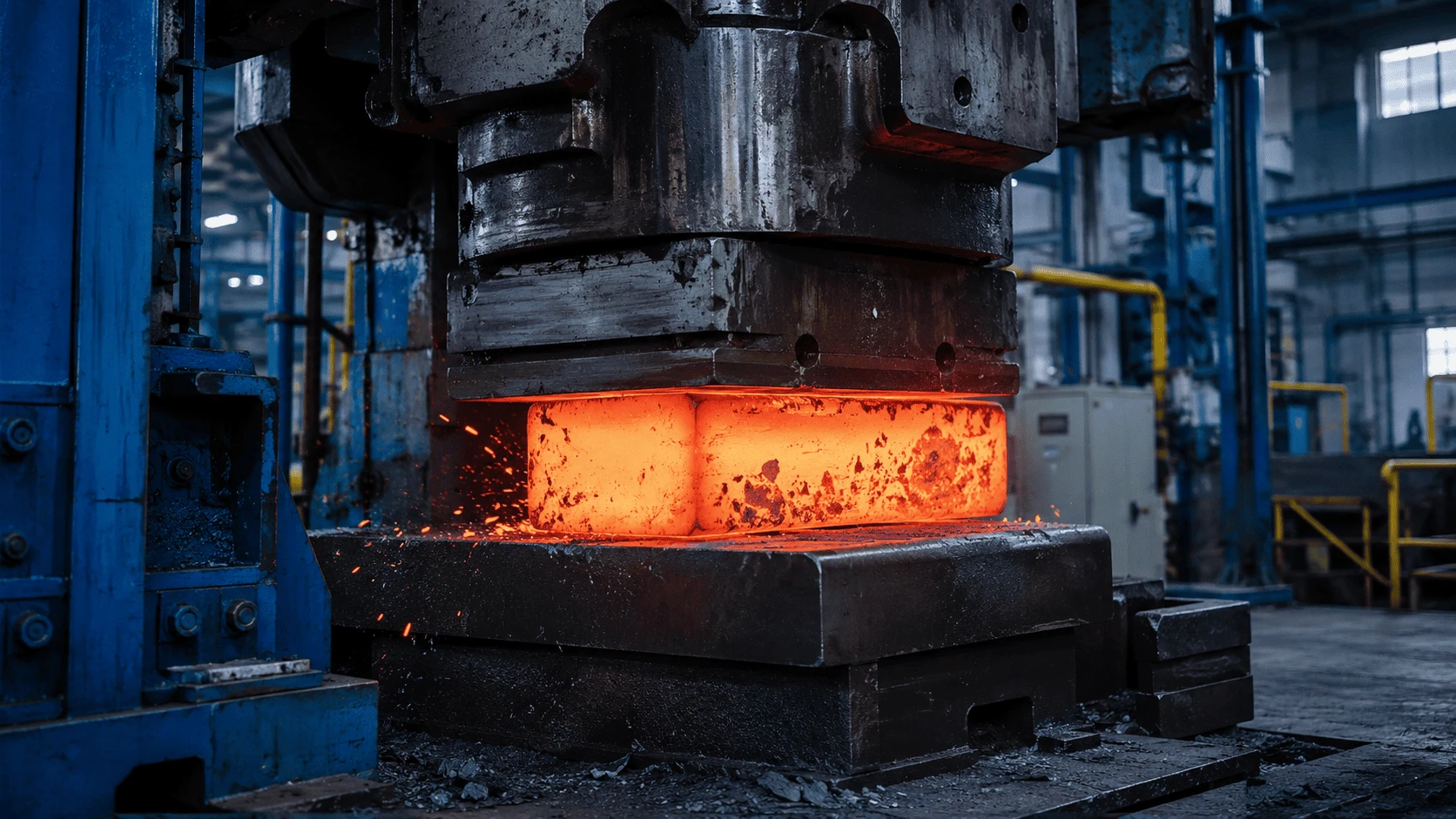
Open-Die Forging
In addition to closed-die forging, metal is worked between flat or simple-shaped dies without a fixed cavity, allowing greater flexibility in size and shape.
Suitable for large parts, custom geometries, and low-to-mid volume production that doesn't justify closed-die tooling.
Achieves accuracy up to ±0.5 mm while accommodating parts up to 50 kg.