

Process Principle & Advantages
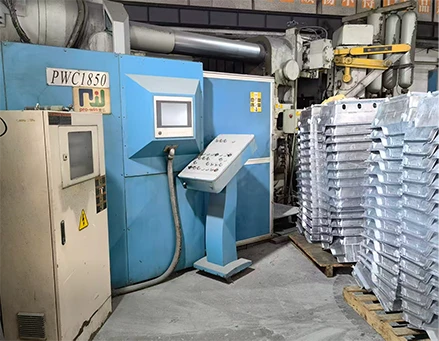
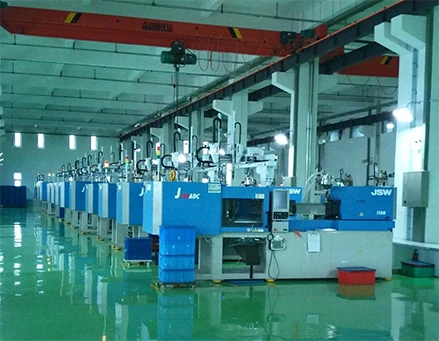
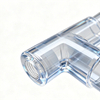
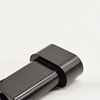
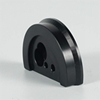
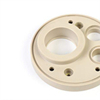
Injection molding is a manufacturing process that injects molten plastic into a mold cavity under pressure, where it cools and solidifies into the final part shape. Depending on part requirements, standard single-material molding or insert/overmolding can be applied to efficiently produce everything from simple enclosures to multi-material assemblies, offering high repeatability, tight dimensional control, and fast cycle times. We support both standard injection molding and insert/overmolding to meet the production demands of complex, multi-material plastic parts.
-
![]()
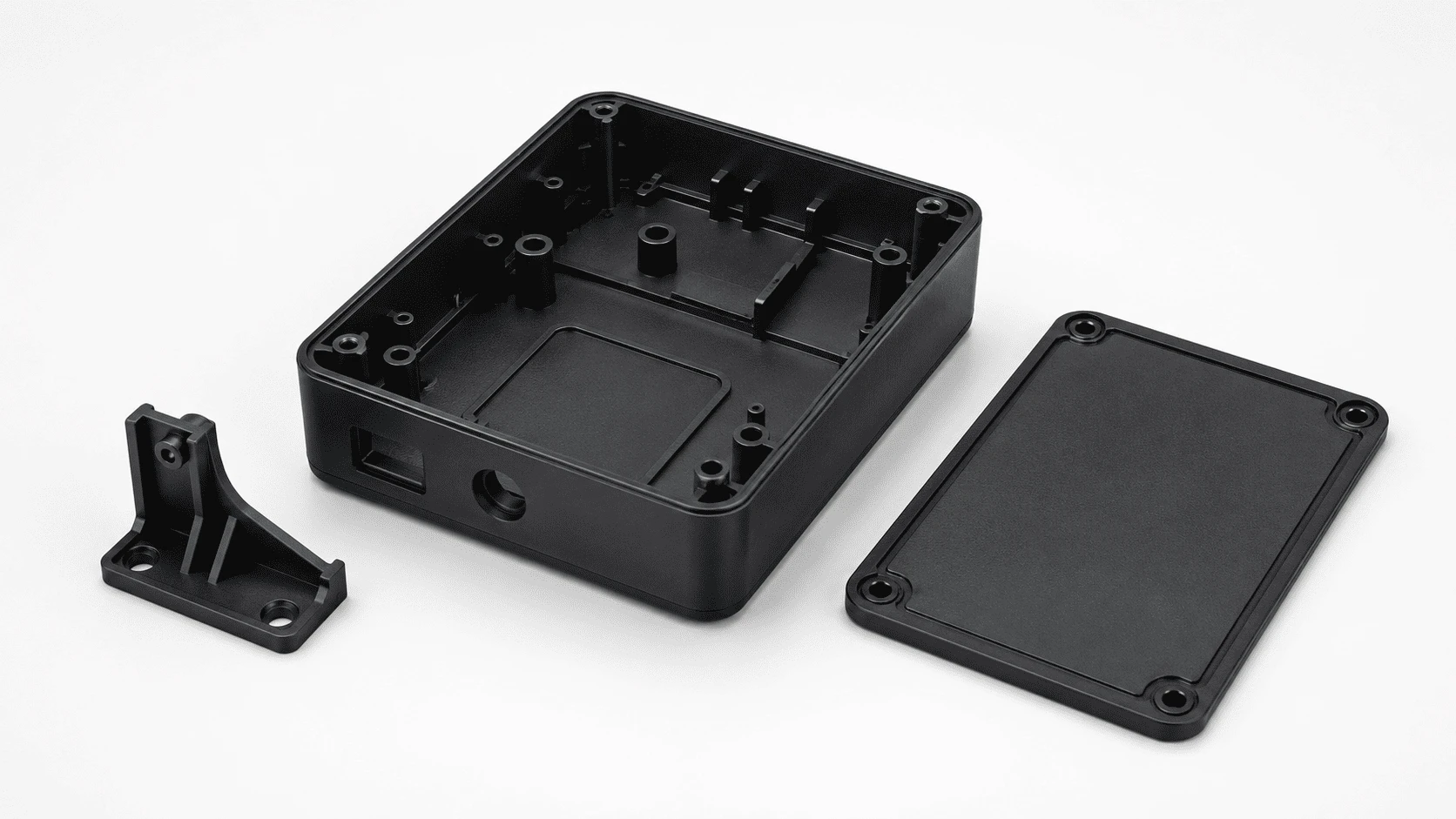
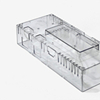
Standard Injection Molding
Molten plastic is injected into a single mold cavity under pressure, cooled, and ejected as a finished part — representing the most fundamental molding method.
Suitable for enclosures, brackets, and single-material components of any geometry.
Achieves dimensional accuracy up to ±0.1 mm at low per-part cost.
-
![]()
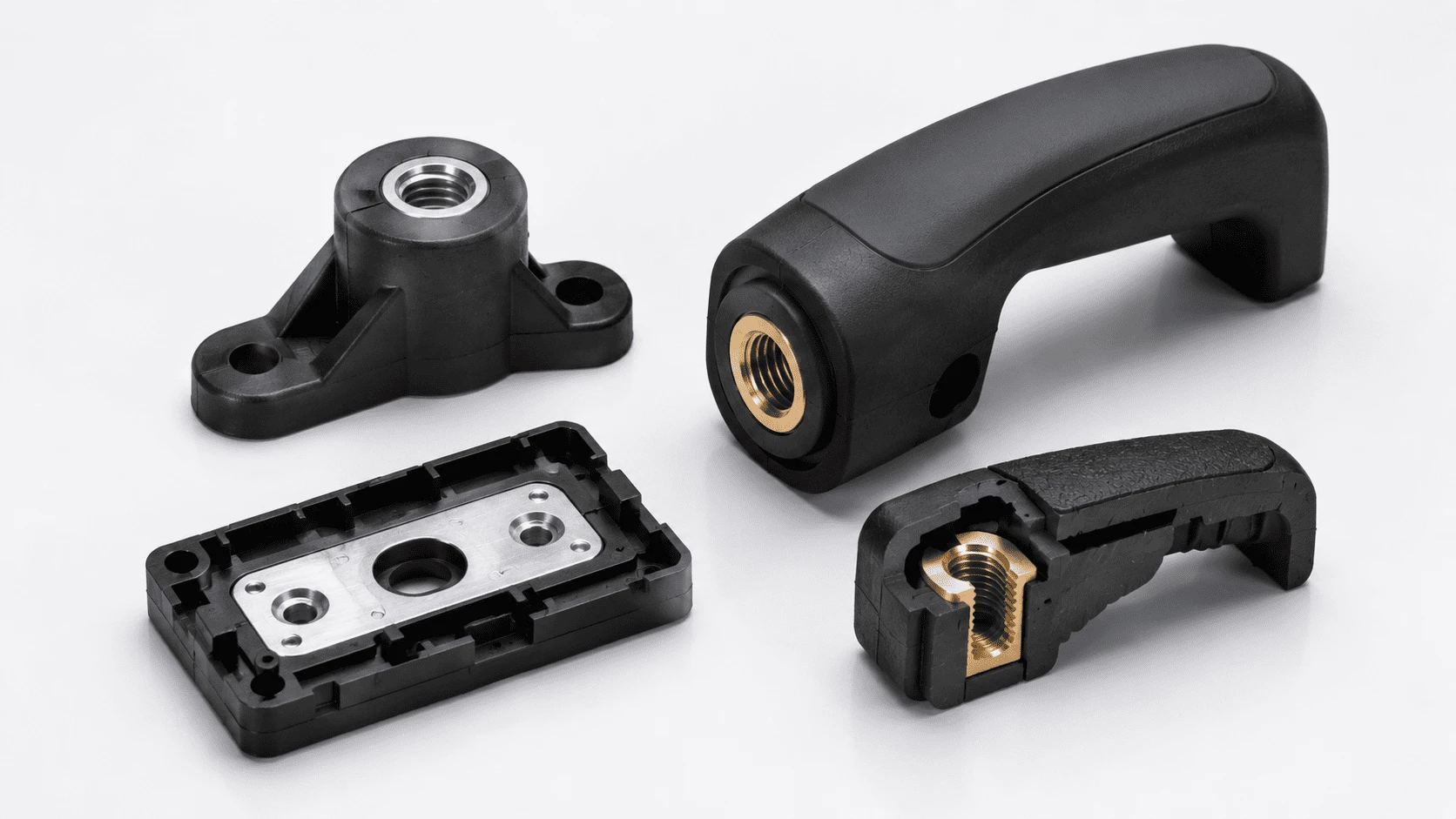
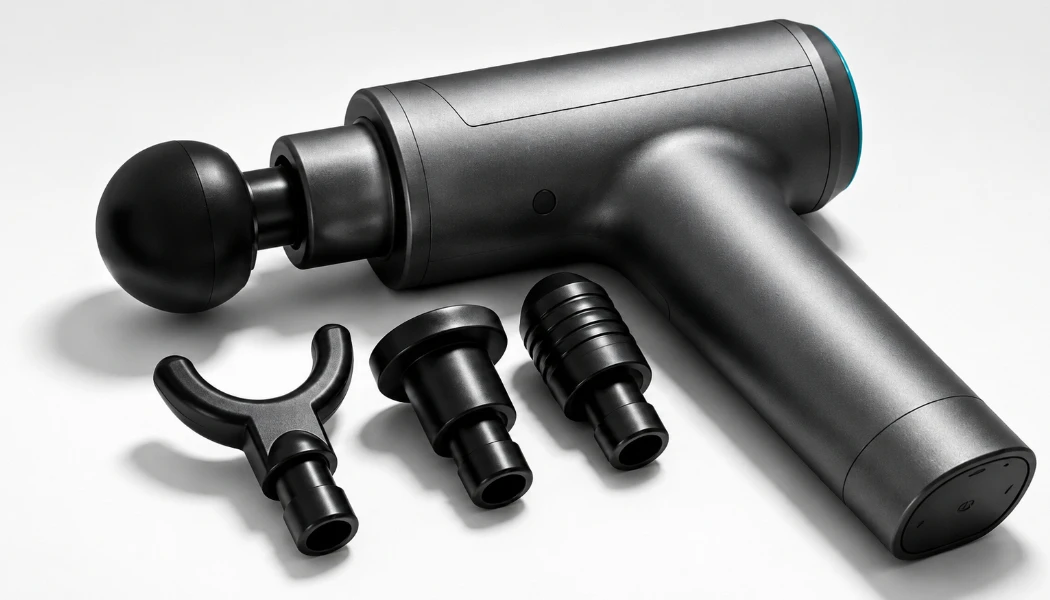
Insert & Overmolding
In addition to standard molding, a metal insert or first-shot material is placed in the mold before plastic is injected around or over it.
Suitable for parts requiring embedded hardware, soft-touch surfaces, or multi-material functionality.
Achieves accuracy up to ±0.05 mm while combining materials in a single part.